Wine Rack - How to Make A Rack for Your Vintage – Wines and More
Build a Handsome Stained Cherry Wood Wine Rack as a Home Woodworking Project and Expand It Later
Construct a simple, modular, expandable and elegant wine rack as a home woodworking project with only a table saw and drill press. It assembles with dados/notches, so no nails, screws or glue are required. It can be disassembled as easily. Cut, stain and assemble cherry wood in a home wine storage rack that holds 15 regular-sized bottles of wine.
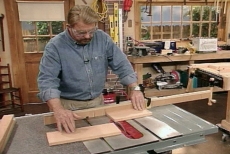
Cut Cross Rails and End Panels on a Table Saw
Cut two basic shapes from cherry wood: 3- by 24-inch cross rails to hold the bottles, themselves, and 6- by 12-inch end panels to support the cross rails. In this plan, you'll need six cross rails and six end panels.
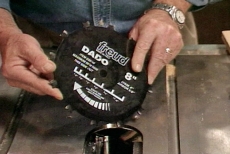
Equip the Table Saw with a Dado Set
Install a dado set on the table saw to make the dados/notches to lock the end panels and cross rails together. The dado set consists of several cutters/chippers sandwiched between two saw blades.
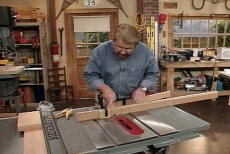
Make an Auxiliary Fence to Position the Wood for Dados
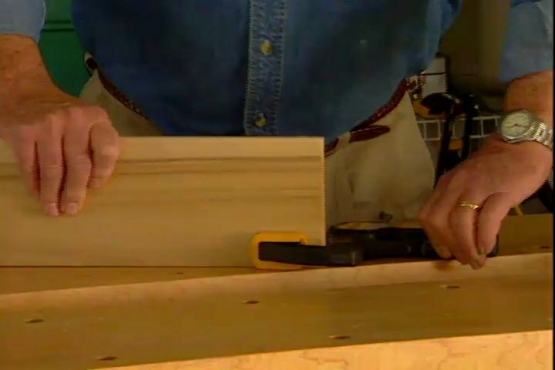
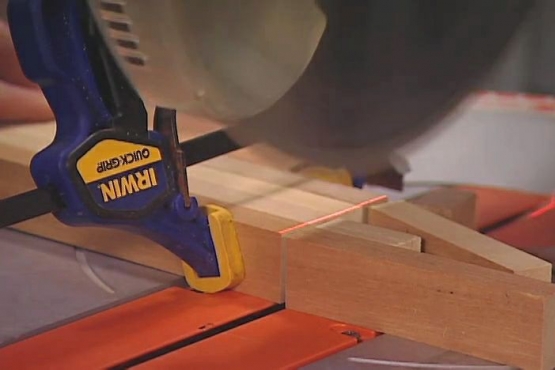
Add an auxiliary fence on the miter gauge and glue sandpaper on the front edge for traction. Clamp a stop block to position the end panels for identical dados. Reposition for the cross rails.
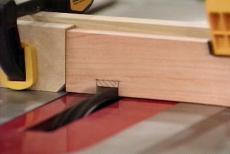
Cut Dados in All the Cross Rails and End Panels
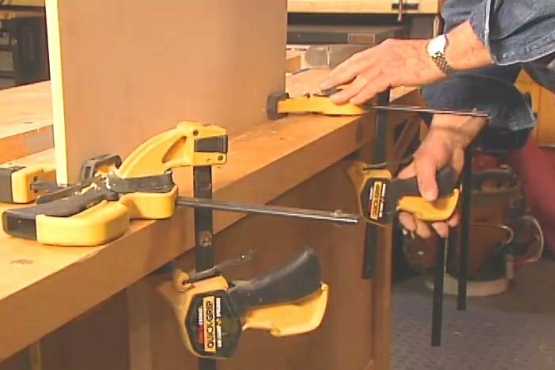
Notch dados in both ends and edges of the cross rails first and the notch the end panels--four dados in each component. Clamp the wood to the fence to protect your fingers as you cut.
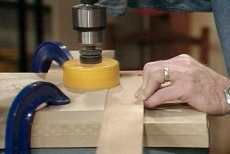
Cut Troughs for the Wine Bottles with a Hole Saw
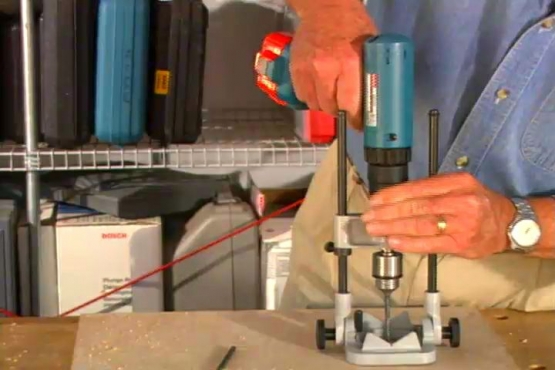
Use hole saws slightly larger than the bottle bases and bottle necks, respectively, to cut troughs to hold the bottles. Install a fence to position rails for the larger holes first--then reposition for the smaller bottle necks.
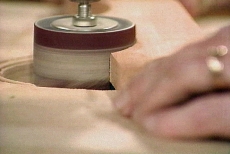
Install a Drum Sander to Smooth the Edges
Add a drum sander to the drill press to smooth the edges of each trough. Use an orbital sander to smooth the flat sides of the cross rails and end panels.
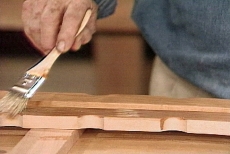
Apply Tung Oil to Finish the Cherry Wood
Bring out the highlights in the cherry wood by applying two generous coats of Tung oil. In a few minutes, before it dries, wipe off the excess with a clean lint-free cloth.
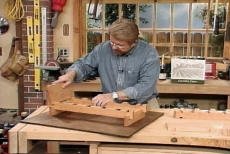
Interlock the Wine Rack Side Panels and Cross Rails
Engage the dados on the cross rails with those in the side panels, assembling each of the three layers of the wine rack to hold a total of 15 bottles of wine.
Related Tips
Blog Articles
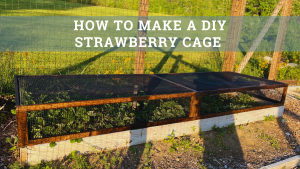
Maximize Your Yield with DIY Netting for Strawberry Beds
Keep your strawberries safe from pests with our DIY strawberry cage netting solution. Learn how to create sturdy frames and find the best netting for your strawberry plants.

Change It Up: Swapping Out Your Light Switch Plates
Tired of boring light switch covers? Upgrade your home decor with this simple guide on replacing light switch plates and make a statement in every room.

Revamp Your Outdoor Space: How To Stencil A Concrete Patio
Learn how to create a stunning patterned concrete patio with our easy-to-follow instructions for stenciling. Upgrade your outdoor space in no time.