How To Install Gutters In Your House
Learn how to install gutters correctly to protect your home from water damage
Learn how to install gutters correctly by measuring the slope of your eaves and adjusting the slope of the gutters accordingly for maximum efficiency.

gutter and downspouts
Using a line level attached to a string, figure out the slope of the eaves. All gutters must slope at least ¼ inch for every ten linear feet to provide proper drainage.
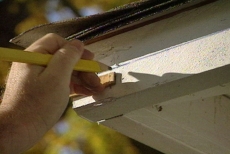
Measure and Mark for a Level Roof and for Elbows and Turns
For a roof that is level, strike a level reference line, then a second mark ¼ of an inch below the line to indicate the correct slope. If there are portions of the gutter which will have turns or elbows on each end, determine the length for the straight section by holding the elbows in place and marking their ends. Subtract ¼ inch to allow room for the seams that will be installed later.
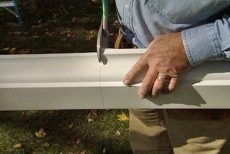
Cut Gutter Sections to Size
Mark the gutter sections using a combination square to carry the line all the way around, then use heavy-duty tin snips to cut the piece to length
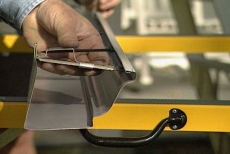
Mount the Gutters
Snap brackets into place six inches from each end of the gutter and then every 18 to 24 inches. Mount the gutters by driving a screw through each bracket and into the face-board on the eaves.
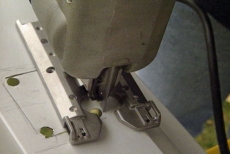
Preparing for the Downspout
Holding the gutter in place, mark the location for the downspout hole. Cut a square hole in the bottom of the gutter by first making a punch mark in each corner and then using a jigsaw. File the edges smooth.
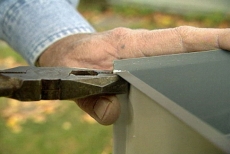
Install Downspout Connector and End Cap
Apply silicone sealant to the lip of the downspout connector and place it into the cutout. Press into place then secure with short metal screws. Install an end cap into the last gutter section but slipping it onto the end and crimping the edges.
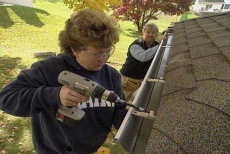
Attach Gutter to Eaves, Cut and Fit Downspout
Attach the gutters to the eaves by driving screws through each bracket and into the face-board of the eaves. Cut and fit the downspout pieces together, making sure that the tapered end is down.
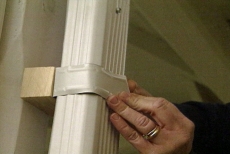
Using Wooden Spacers for the Downspout
If necessary, cut wooden spacers from two by four lumber and attach aluminum mounting straps, using screws and fastening both to the post. Install and screw downspout pieces together. Fold the aluminum mounting straps around the downspout and secure with screws.
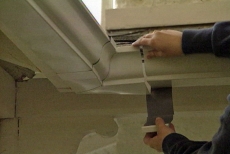
Connecting Gutter Sections
Connect the straight sections of the gutter to each other and the corner angles using a two-inch strip of aluminum called a “seamer”. It over laps the joints and fills in the ¼ inch gap left earlier. The joints are made watertight by applying a heavy bead of sealant on the inside.
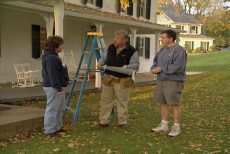
Testing the Gutters
Let the sealer dry overnight, then take a garden hose and put it in the end away from the downspout and check to make sure the water is flowing toward and into the downspout and that it’s not leaking at the joints. If leaves are a problem, put up leaf guards all the way around.
Related Tips
Blog Articles
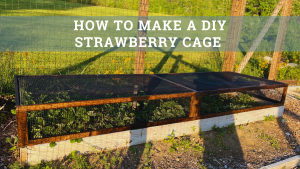
Maximize Your Yield with DIY Netting for Strawberry Beds
Keep your strawberries safe from pests with our DIY strawberry cage netting solution. Learn how to create sturdy frames and find the best netting for your strawberry plants.
Change It Up: Swapping Out Your Light Switch Plates
Tired of boring light switch covers? Upgrade your home decor with this simple guide on replacing light switch plates and make a statement in every room.

Revamp Your Outdoor Space: How To Stencil A Concrete Patio
Learn how to create a stunning patterned concrete patio with our easy-to-follow instructions for stenciling. Upgrade your outdoor space in no time.