Close Menu
Menu
Projects & Upgrades
Rooms & Spaces
Parts of the House
Outdoor Projects
Maintenance & Repair
Exterior Maintenance
Furniture
Interior Maintenance
Skills & Know-How
Tools & Know-How
Woodworking & Workshop
Surfaces & Systems
Rooms & Spaces
Kitchen
Bathroom
Bedroom
Closet
Dining Room
Laundry
Home Office
Garage | Workshop
Basement
Attics
View All
Exterior Maintenance
Fireplaces & Chimneys
Exterior Painting
Gutters & Downspouts
Swimming Pools
Roofing
Windows & Doors
View All
Tools & Know-How
Hand Tools
Power Tools
Fasteners
Other Hardware
Measuring
Safety
Savers
View All
Parts of the House
Floors
Ceilings
Walls
Doors
Windows
Stairs & Railings
Heating & Cooling
Organization & Storage
Electrical & Lighting
Home Automation
Home Security
Roofs/Roofing
View All
Furniture
Furniture Repair
Furniture Care
Furniture Refinishing
View All
Woodworking & Workshop
Carpentry
Cabinetmaking
Finishing & Refinishing
Workshop Planning
Workshop Techniques
Jigs & Fixtures
Molding & Trim Work
View All
Outdoor Projects
Lawn & Garden
Decks, Patios & Porches
Fences & Gates
Outdoor Structures
Outdoor Lighting
Paths & Walkways
Outdoor Furniture
Water Features & Fountains
View All
Interior Maintenance
Air Conditioning
Household Appliances
Cleaning
Electrical
Energy Efficiency
Fireplaces
Floor Repair
Heating
Insulation
Interior Painting
Plumbing
Wall Repair
View All
Surfaces & Systems
Electric Skills
Plumbing Techniques
Drywall
Masonry
Painting & Decorating
Tile Setting
Adhesives
Restoration
Generators
View All
Tips
Blog
Sweepstakes
Newsletter
Tips
Blog
Sweepstakes
Newsletter
Projects & Upgrades
Maintenance & Repair
Skills & Know-How
Rooms & Spaces
Kitchen
Bathroom
Bedroom
Closet
Dining Room
Laundry
Home Office
Garage | Workshop
Basement
Attics
View All
Parts of the House
Floors
Ceilings
Walls
Doors
Windows
Stairs & Railings
Heating & Cooling
Organization & Storage
Electrical & Lighting
Home Automation
Home Security
Roofs/Roofing
View All
Outdoor Projects
Lawn & Garden
Decks, Patios & Porches
Fences & Gates
Outdoor Structures
Outdoor Lighting
Paths & Walkways
Outdoor Furniture
Water Features & Fountains
View All
Exterior Maintenance
Fireplaces & Chimneys
Exterior Painting
Gutters & Downspouts
Swimming Pools
Roofing
Windows & Doors
View All
Furniture
Furniture Repair
Furniture Care
Furniture Refinishing
View All
Interior Maintenance
Air Conditioning
Household Appliances
Cleaning
Electrical
Energy Efficiency
Fireplaces
Floor Repair
Heating
Insulation
Interior Painting
Plumbing
Wall Repair
View All
Tools & Know-How
Hand Tools
Power Tools
Fasteners
Other Hardware
Measuring
Safety
Savers
View All
Woodworking & Workshop
Carpentry
Cabinetmaking
Finishing & Refinishing
Workshop Planning
Workshop Techniques
Jigs & Fixtures
Molding & Trim Work
View All
Surfaces & Systems
Electric Skills
Plumbing Techniques
Drywall
Masonry
Painting & Decorating
Tile Setting
Adhesives
Restoration
Generators
View All
Home
Featured Projects
Browse All Projects & DIY Videos
Safety
/
Lawn & Garden
/
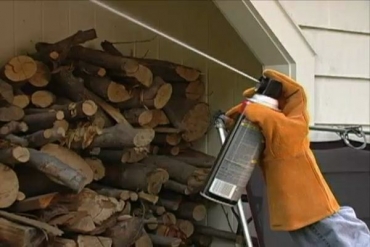
How to Get Rid of Bees and Wasps
Recent Articles
Maximize Your Yield with DIY Netting for Strawberry Beds
Change It Up: Swapping Out Your Light Switch Plates
Revamp Your Outdoor Space: How To Stencil A Concrete Patio
How To Add Shade To A Sandbox
Popular in Outdoor Projects
How to Build a Custom Insulated Dog House
How to Build a Free Standing Pergola
How To Install Gutters In Your House
How to Install Low-Voltage Outdoor Lighting