How to Install a Cupola and Weathervane
Crown the Roof, Old or New, with a Simple Project to Install a Cupola and Weathervane Kit
Top a brand new barn or a weathered outbuilding with this simple project to install a weathervane kit. The eye-catching copper weathervane crowns the wooden cupola formed from a base, midsection and top/copper roof. Shape the cupola's base with a jigsaw to straddle the roof ridge, installing it for a close fit before the roof cap is added.
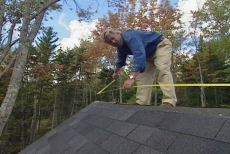
Mark the Cupola Position on the Center of Roof Ridge
Find the center point of the roof line by running a tape measure along the roof ridge. Mark the center point with a pencil as the position for the cupola base.
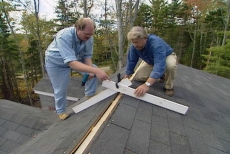
Create a Bevel Gauge to Help Shape the Cupola Base
Angle two crossed one-by-fours along the roof slopes as a bevel gauge to determine the exact angle of the roof for the cupola base. Screw them together. Draw a precisely vertical line at the intersection of the arms.
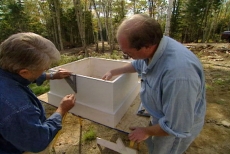
Draw a Plumb Line on the Cupola Sides
Draw a vertical line from top to bottom of the cupola base using a square to ensure it is plumb. Any pair of opposing sides will serve, because the cupola base is square.
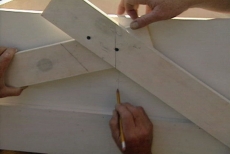
Align the Bevel Gauge on the Cupola Base
Align marks on the cupola base and bevel gauge on one side, tracing the bottom edge of the bevel gauge arms. Repeat on the opposing side, ensuring that the bevel gauge intersects the front corners each time.
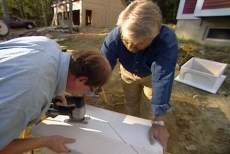
Saw the Cupola Base along the Traced Guidelines
Cut along the traced guidelines on opposing sides of the cupola base with a jigsaw, removing part of the base at the back. Position the base over the roof ridge to test the fit and confirm it is level.
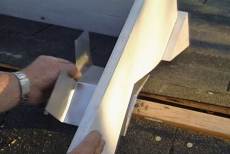
Install Flashing beneath the Cupola Base
Cover the seam between the roof and the cupola base with metal flashing to prevent water seepage underneath. The ridge cap will be installed over the flashing.
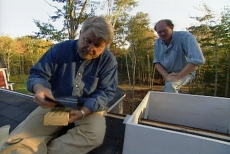
Secure the Cupola Base to the Roof
Adhere "Water and Ice" barrier on two pairs of two-by-four blocks for a water-tight seal. Screw them to the roof inside the cupola base (a pair on either side of the cupola base) and then to the base itself.
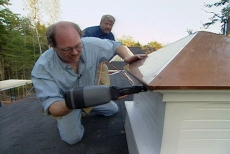
Position the Middle Section over the Cupola Base
Center the middle section over the cupola base with equal overhang on all sides and nail it to the base. Position and nail the upper section with the copper roof to the middle and secure with nails.
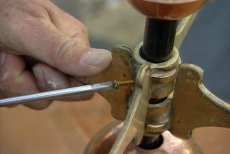
Completing the Cupola Kit with the Weathervane
Insert the cupola kit's copper weather vane through the hole at the top, aligning its points with compass directions and tighten the set screw. Insert the rotating module (here, a sailboat) over the top to complete.
Related Tips
Blog Articles
Maximize Your Yield with DIY Netting for Strawberry Beds
Keep your strawberries safe from pests with our DIY strawberry cage netting solution. Learn how to create sturdy frames and find the best netting for your strawberry plants.
Change It Up: Swapping Out Your Light Switch Plates
Tired of boring light switch covers? Upgrade your home decor with this simple guide on replacing light switch plates and make a statement in every room.
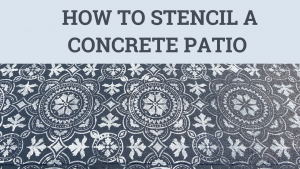
Revamp Your Outdoor Space: How To Stencil A Concrete Patio
Learn how to create a stunning patterned concrete patio with our easy-to-follow instructions for stenciling. Upgrade your outdoor space in no time.