How to Accurately Cut Wood Pieces to the Same Length
Four Ways to Cut Wood to Precisely the Same Length Every Time
Any time you have to cut two or more pieces of wood to exactly the same length, the one thing you don't want to do is measure and mark each piece individually with a tape measure, and cut them one at a time. Every time you measure the wood, and every time you cut it, you can introduce a small error. In some projects, even those small errors can add up to one big one.
To prevent that kind of problem, here are four different, but equally effective and accurate, ways to cut multiple boards to precisely the same length.
The first method is to measure and mark one board with a tape measure, then cut it to length. Write "Pattern" or "Sample" on the cut piece. Now, instead of measuring and marking additional pieces with the tape measure, use the pattern. Make sure the ends are flush . . . and use a sharp pencil for the marking. It's important to use the same pattern every time. If you start changing patterns, you can start changing the length of the wood you're cutting.
The second way to cut multiple pieces to exactly the same length is to lay them down on a bench top, square up the ends, and clamp them together. Measure and mark all four together, then cut all four pieces at once.
If you have many pieces to cut, or if clamping them together is impractical, a third technique is to use a power miter saw. Clamp a strip of wood (also known as an "auxiliary fence") to the miter saw fence. A one-by-four or a one-by-three is a good size for this auxiliary fence. With the board clamped, cut off the end. Then put the measuring tape on the cut end and measure and mark the length of the boards you want to cut. Place a scrap piece of wood on the mark and clamp it in position. We'll call this a "stop block."
The final step of this method is to place your oversized piece of stock on the saw table and slide it until the end contacts the stop block. Hold the stock piece firmly and make the cut. Any number of pieces can be cut this way with identical results.
The fourth method is similar to the third, but it uses the stop block technique on a table saw instead of a miter saw. In this case, screw the auxiliary fence to the table saw miter gauge. Once it's attached, cut partially through the auxiliary fence. Drop the end of the tape into the saw kerf, measure down the fence, and mark the desired finished length of the boards you'll be cutting. Now cut and clamp on the stop block, just as you did with the miter saw. Then you can place and cut wood by using the stop block in the same way.
There you have it! Four ways to make repetitive cuts that are virtually identical. Next time you work on a project involving several boards of the same length, use one of these methods, and you can be sure that your work will come out true.
Blog Articles
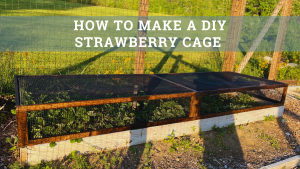
Maximize Your Yield with DIY Netting for Strawberry Beds
Keep your strawberries safe from pests with our DIY strawberry cage netting solution. Learn how to create sturdy frames and find the best netting for your strawberry plants.

Change It Up: Swapping Out Your Light Switch Plates
Tired of boring light switch covers? Upgrade your home decor with this simple guide on replacing light switch plates and make a statement in every room.

Revamp Your Outdoor Space: How To Stencil A Concrete Patio
Learn how to create a stunning patterned concrete patio with our easy-to-follow instructions for stenciling. Upgrade your outdoor space in no time.